
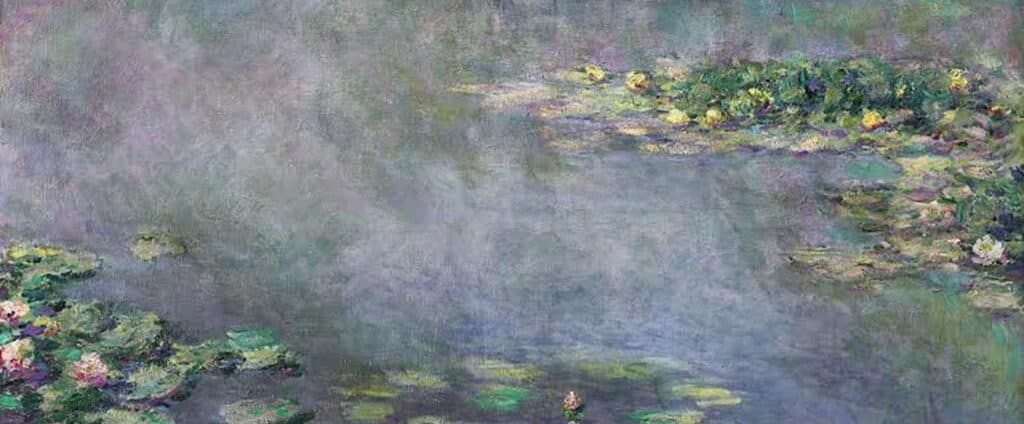
Adapting spatial experiences that work for everyone. Rethinking the standard.
We help cultural organizations understand different ways of experiencing spaces and translate these insights into environments, communications and strategies that are more inclusive and sensory-aware.
Water Lillies
Claude Monet (1906)
THE INVISIBLE CHALLENGE
Not all barriers are physical
People experience the same environment differently. Light, sound, spatial organisation, visual complexity and sensory intensity shape how people perceive, understand and navigate a place.
A DIFFERENT DESIGN QUESTION
How can environments better respond to human diversity?
As our understanding of human diversity evolves, so should the way we think about environments. Rather than designing for exceptions, we can design for a broader range of human experience.
PUTTING INSIGHT INTO PRACTICE
Sensory mapping
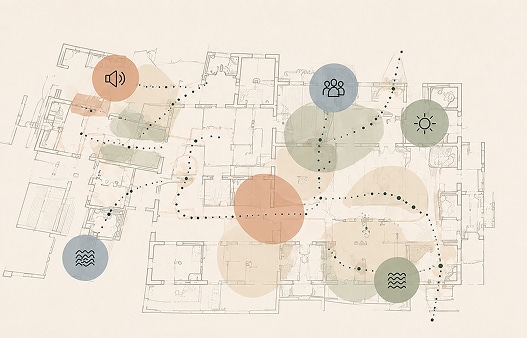
Reveal how sensory conditions vary across a space. Mapping sound, light, movement, crowding and other stimuli makes patterns of sensory intensity visible and easier to act on.
PUTTING INSIGHT INTO PRACTICE
Prepare the visit
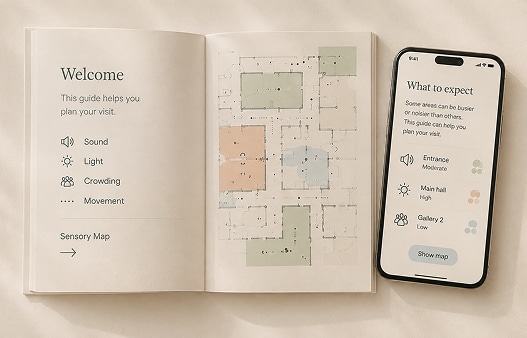
Give visitors clearer information about what to expect. Sensory information can help visitors anticipate different conditions, plan their visit and make choices.
Let’s connect!
A HUMAN-CENTRED APPROACH
Connecting knowledge with real-world decisions
Our work integrates architecture, psychology, neuroscience and lived experience to translate knowledge about human experience into more informed design decisions.
ABOUT
The practice behind RETHINK

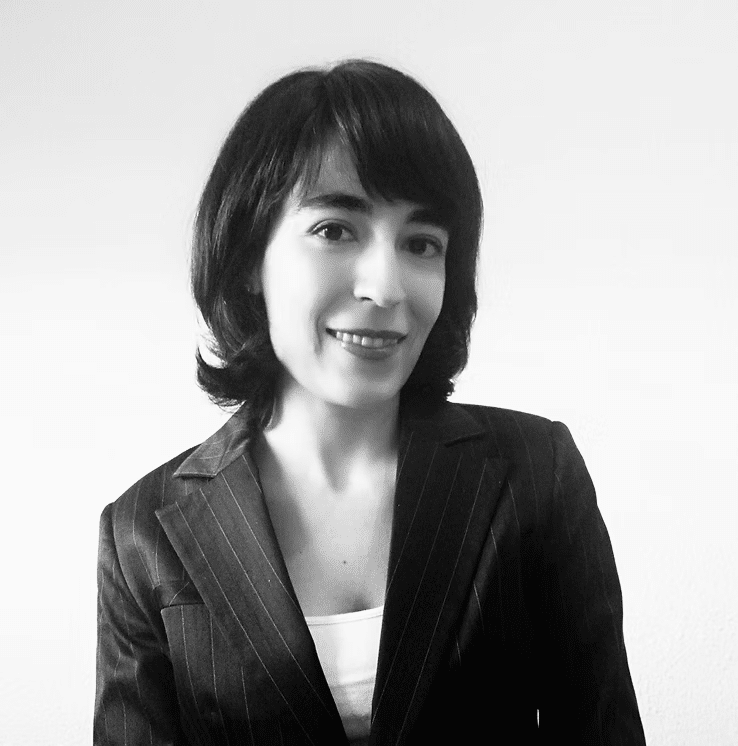
Independent practice founded by architect and researcher Raquel Guerra Aragonés. Her work connects architecture, interdisciplinary research and human experience.